SFTT's Unique Mission

Support our frontline troops with more than lip service—help them survive the rigors of war and reclaim their lives.

PTSD Treatments

12 Mar 2013

As the VA struggles to deal with the overwhelming number of cases of Veterans suffering from PTS, new approaches are beginning to manifest themselves.  From Equine therapy to Transcendental Meditation, no approach is being dismissed lightly given the clear evidence that prescription drugs have not proven to be successful in providing a long term cure.

SFTT is thrilled to count on the assistance of Yuval Neria (see below) is a Special Advisor to SFTT’s Medical Task Force.    We welcome his active collaboration.

Yuval Neria

Medical Center (CUMC Director of Trauma and PTSD Program, and a Research Scientist at the New York State Psychiatric Institute (NYSPI) …

While SFTT often focuses on the men and women suffering from PTS, it is clear that their spouses, children and immediate families are not immune to the terrible side-effects.

Study: PTSD affects veterans’ spouses, too – ksl.com

PTSD affects veterans’ spouses, tooksl.comResearchers have know for some time that PTSD places relationships at risk, but this new research raises red flags for health risks for a spouse or partner. “It’s having an effect beyond the vet …

Military May Be Turning to Meditation for PTSD – PsychCentral.com

Military May Be Turning to Meditation for PTSD.  Military May Be Turning to Meditation for PTSD With its emphasis on developing tranquility, meditation may seem an odd fit for the military. But recent studies have shown that mindfulness …

It is pleasing to see that CBS decided to feature one of the 120 or so Veteran Treatment Courts in the United States on one of its most popular investigative programs: 60 Minutes. Found below is a brief summary of this very moving and disturbing report:

Two and a half million Americans have served in Iraq and Afghanistan; many of them, more than once. The VA tells us about 20 percent come home with post-traumatic stress disorder, known as PTSD. So, that comes to about 500,000. For some, returning is harder than they imagined. The suicide rate for the Army is up 15 percent over last year. For the Marines its up 28 percent. A few of our troops return to become something they never thought they could be: criminals, for the first time in their lives.

Around Houston, in Harris County, Texas, 400 veterans are locked up every month. We met a judge there who saw them coming before the bench, fresh out of the warzone and he thought a lot of them were worth saving. Judge for yourself once you meet some of our troops, coming home.

A byproduct of the 1995 Crime Bill, the Veterans Treatment Court (Vets Court for short) is a way for Veterans facing jail time to avoid incarceration. If they accept, they are assigned to a mentoring Veteran and must remain drug-free for two years, obtain a high school diploma and have a steady job at the end of the probation period. This may seem like a good deal, but the path to recover their lives is difficult and fraught with temptation, particularly for those Veterans with PTSD.

SFTT applauds those in law enforcement and the judicial system and supporting Veterans organization for developing such an effective and common sense approach to help Veterans reintegrate into society. 60 Minutes paints a very sympathetic picture of the Veterans Administration in this rehabilitation process, but Vets that we have talked to who have participated in Vet Court programs paint a somewhat different picture.

It is evident that there is a high incidence of dependency on drugs, potent painkillers, antidepressants and alcohol among those with PTSD. One graduate of the Veterans Court Program who now is a substance abuse counselor told me that close to 90% of Vets with PTSD have substance abuse issues.

Now, the VA has very strict rules on issuing prescription medication to Veterans with documented substance abuse problems. In other words, it may be difficult for Veterans to receive proper treatment for PTSD if substance abuse and PTSD are treated as mutually exclusive problems. This clearly introduces a level of difficulty for the VA in providing the type of comprehensive rehabilitation treatment these Vets deserve. Some may call it Catch 22, but I am sure our Vets find it no laughing matter.

In any event, SFTT applauds the Veteran Treatment Courts and is committed to help them expand across the United States.

The terrible tragedy in Newtown has spurred much debate about gun control legislation in the United States.   With gun-related deaths in the United States 20 times more than the average of other countries in the developed world, it is clearly a horrific problem for our nation.  What is less-well publicized is that two-thirds of the reported 32,000 gun deaths in the United States are suicides.    This has led some to suggest that any new gun control legislation may have a more pronounced effect on reducing suicides than other gun-related violence (see below).   I am not convinced given the  focus on automatic weapons and over-sized magazines.

The Center for Disease  Control and Prevention reports that there were approximately 38,000 suicides in 2010 and of those, roughly half were by firearm.   Which brings us to a very alarming statistic:  A military veteran commits suicide every 80 minutes or 22 a day!  In other words, nearly 8,000 veterans commit suicide each year.  Astonishingly, 1 in 5 suicides in the US is a military veteran  and it rarely raises a ripple among that smug crowd within the DC Beltway who appear to use gun control legislation to press some self-serving political agenda.  Some writers suggest that military suicides (includes Vets) could be closer to 1 in 4! (see below).   Shouldn’t the focus of the discussion be on those most at risk from death by firearm rather than the weapon of choice?

It would be reassuring to think that our government leaders would spend as much energy focused on helping our brave warriors reclaim their lives rather than dissipate their energies on political rhetoric which dramatizes gun violence without providing a responsible solution.   Sadly, our political leadership don’t seem up to the task of focusing on the BIG PICTURE.

As much as the Sandy Hook tragedy stirred our nation into looking for answers to deter gun violence, our Vets and their loved ones experience their own Newtown massacre each day  when on average 22 Vets commit suicide.    Isn’t it time we as a Nation wake up to the BIG PICTURE and mobilize the necessary resources to deal with this unending tragedy?   This is a time for REAL LEADERSHIP!

Gun Control and Suicide – NYTimes.com

Modest regulations are more likely to deter suicide than prevent murder, and should be judged accordingly.

What Researchers Learned About Gun Violence Before Congress

We’re not just looking at mass shootings, but also looking at the bulk of the homicides that occur every year and the suicides, which account for a majority of all gun deaths. Then the last question is how do you do it? Once you

Record Numbers of US Military and Veteran Suicides | Global

Headlines like this should shock: Suicides Outpace War Deaths. Surge in Military Suicides. Nearly Two Dozen Veterans Commit Suicide Daily. These reports and similar ones reveal imperialism’s dark side. War takes its toll.

REAL Number of Veteran Suicides in the U.S. Too High To Be

I’d thought that everyone in U.S. was aware of the mass number of veterans that we lose to suicide each day, but a recent message I received from a supportive Facebook group administrator who helps me by sharing my

Report: Veterans suicides may be underestimated – Marine Corps

Veterans make up 22.2 percent of all suicides in the U.S., and that startling figure might actually be an underestimate because of difficulty in determining veterans’ status, according to a new report.

Page 2 of 9712345...102030...Last »

Share a story

Whether you are on active duty or retired, a friend or family member we encourage you to share your story. As proud Americans we salute our heroes and thank you for your courage and sacrifice. We want to hear from you and so do our readers.

Stay informed: latest news and stories

We respect your email privacy

Thank you for signing up! An email will be sent to the address you provided, asking you to confirm your sign up.

News & Announcements

Our Story

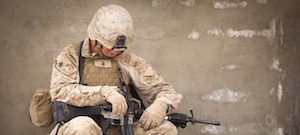
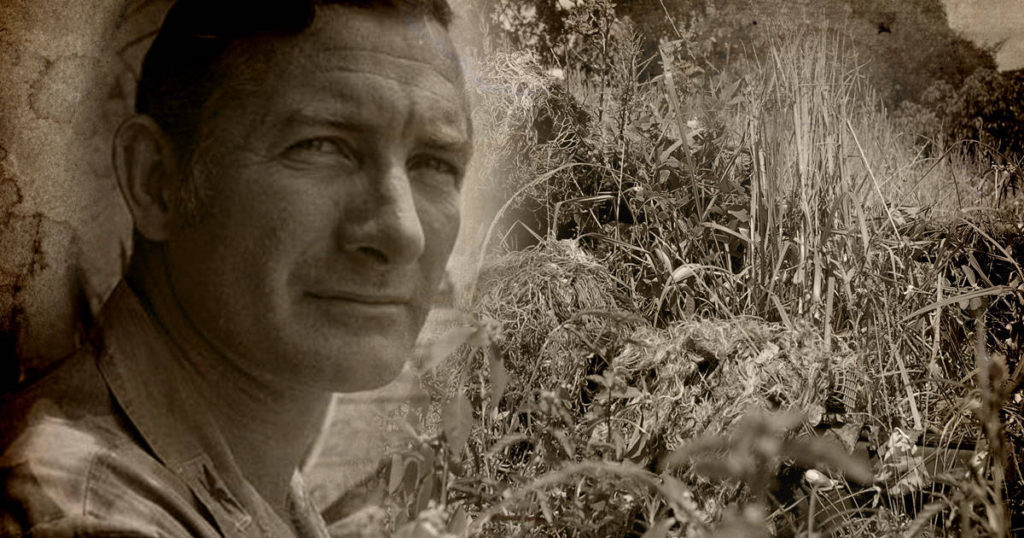
photo of a soldierStand For The Troops (“SFTT”) is a 501(c)(3) non-profit Educational Foundation established by the late Col. David H. Hackworth and his wife Eilhys England to insure that our frontline troops have the best available leadership, equipment and training.

In the past four-plus years SFTT'S active campaign has focused on ensuring America's frontline troops get the best available individual protective equipment and combat gear.

Donations and contributions from concerned Americans help fund the SFTT website.

Hackworth Memorial DVD

photo of HackworthIncludes rare footage from Hack's memorial service at Fort Myers Chapel and burial in Arlington National Cemetery.
All donations received from purchasing of The Hackworth Memorial DVD go to Stand For The Troops a 501 (c) 3 non-profit, non-partisan apolitical foundation established by Hack and his wife Eilhys to make sure that America's front-line forces—the kids Hack loved out at the tip of the spear—always have the right training, leadership and equipment to meet their assigned missions and make it home alive and in one piece.

Our Campaigns

  • December 23, 2009: The law firm of Kirkland & Ellis LLP filed the final motion with the Federal Court in Washington, DC in the Freedom of Information Act (“FOIA”) on behalf of the SFTT’s editor for forensic records held by the Department of Defense (“DOD”).
  • October 16, 2009: The Government Accountability Office (“GAO”) issues report to Congress calling for “independent expert assessment of Army body armor test results.” This damning report of US Army body armor test procedures is the outgrowth of a two-year investigative and educational campaign by SFTT to seek fair and impartial test procedures.

Get Involved

  • RSS feed
    Subscribe to our RSS feed
  • YouTube
    Watch our videos
  • Flickr
    See our photos