
 That’s what supporting the troops is really all about – making sure American grunts get the right stuff!
– Colonel David “Hack” Hackworth
Founder, Stand for the Troops
Read Hack’s bio >>
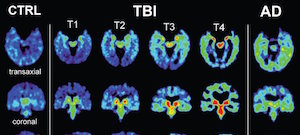
FACT: TBI and/or PTSD are directly linked to the Veteran suicide epidemic
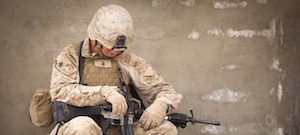
FACT: SFTT provides an alternative to US Department of Veteran Affairs (VA) protocol

FACT: Innovative, effective, clinically proven treatments are available
Learn More

Our blog contains a wealth of resources on TBI, PTSD, and emerging treatment options. View the entire collection of articles at the SFTT blog page, or choose a category below:
SFTT NEWS & MEDIA
Eilhys England, SFTT Chair and Co Founder explains SFTT’s unique mission.
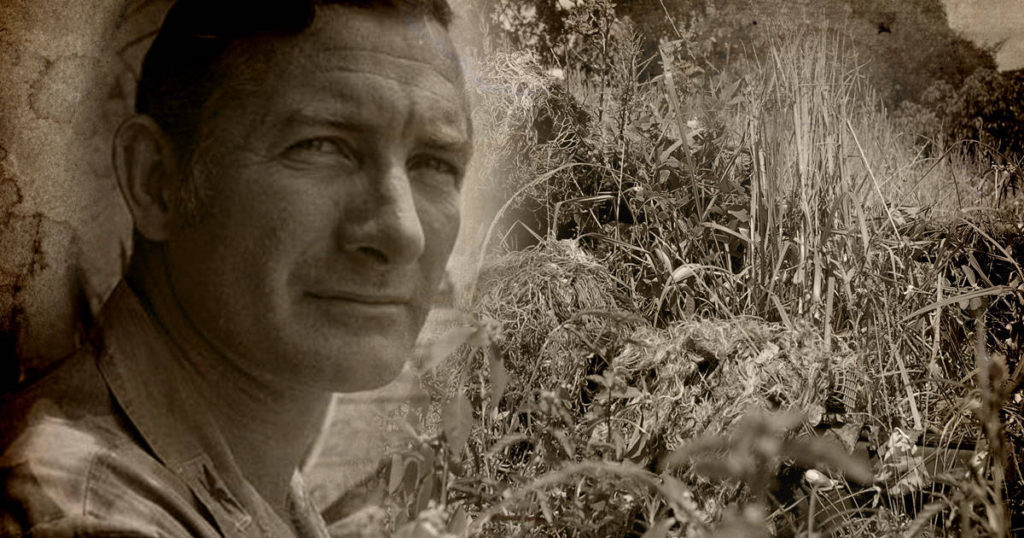
SFTT Co-Founder COL David “Hack” Hackworth is still recognized for
his truth-telling journalism as America’s ultimate Soldier For The Truth.
Excerpt from the film Veteran Nation, featuring MAJ Ben Richards.
.
“How we treat our Veterans defines our national character.”
MAJ GEN John Batiste, SFTT Board President
HOW YOU CAN HELP
Donate and Sponsor a Soldier. With your contribution, American Combat Veterans can receive the comprehensive, simultaneous treatment offerings that SFTT has identified as effective in treating TBI and/or PTSD: access to the SFTT Medical Task Force’s research findings on the effects of TBI and/or PTSD on the brain; Hyperbaric Oxygen Therapy (HBOT); Transcranial Magnetic Stimulation (iTMS); Low-Level Light/Laser Therapy (LLLT); Cranial Electrical Stimulation (CES); Equine Therapy; Transcendental Meditation (TM); High Performance Neurofeedback (EEG); Organic Farming; and Service Dogs.
THE FOUR PILLARS OF SFTT
To Inform
Stand for the Troops educates American Combat Veterans and their families about new palliative treatments and therapies for TBI and/or PTSD.
To Identify
SFTT works with medical experts to access and provide effective treatments and therapies to American Combat Veterans who suffer from TBI and/or PTSD.
To Investigate
SFTT leverages its relationships with the medical research community and the news media to discover and publicize information regarding innovative TBI and/or PTSD treatments and therapies.
To Illuminate
SFTT strives to communicate and engage with American Combat Veterans so that they can self-advocate and become proactive when sourcing treatments and/or therapies for TBI and/or PTSD.
COL. DAVID HACKWORTH’S LEGACY
COL David “Hack” Hackworth’s career as an inspirational soldier, leader, journalist, activist and truth-teller was dedicated to supporting and protecting his troops. Hack and his wife Eilhys England founded SFTT in 1998 to help connect veterans with the resources they need to heal their invisible wounds. Read more >>